

About Viridian Resources

Revitalizing South Africa’s Agricultural and Energy Sectors
We believe in the potential of energy cane as a game-changer for South Africa’s sub-tropical coastal regions. Our business model is built on the premise that energy cane can be economically and sustainably cultivated, transforming underutilized land into productive, job-creating assets. This approach not only addresses the country’s energy needs but also revitalizes struggling agricultural sectors.
Building a New Industry
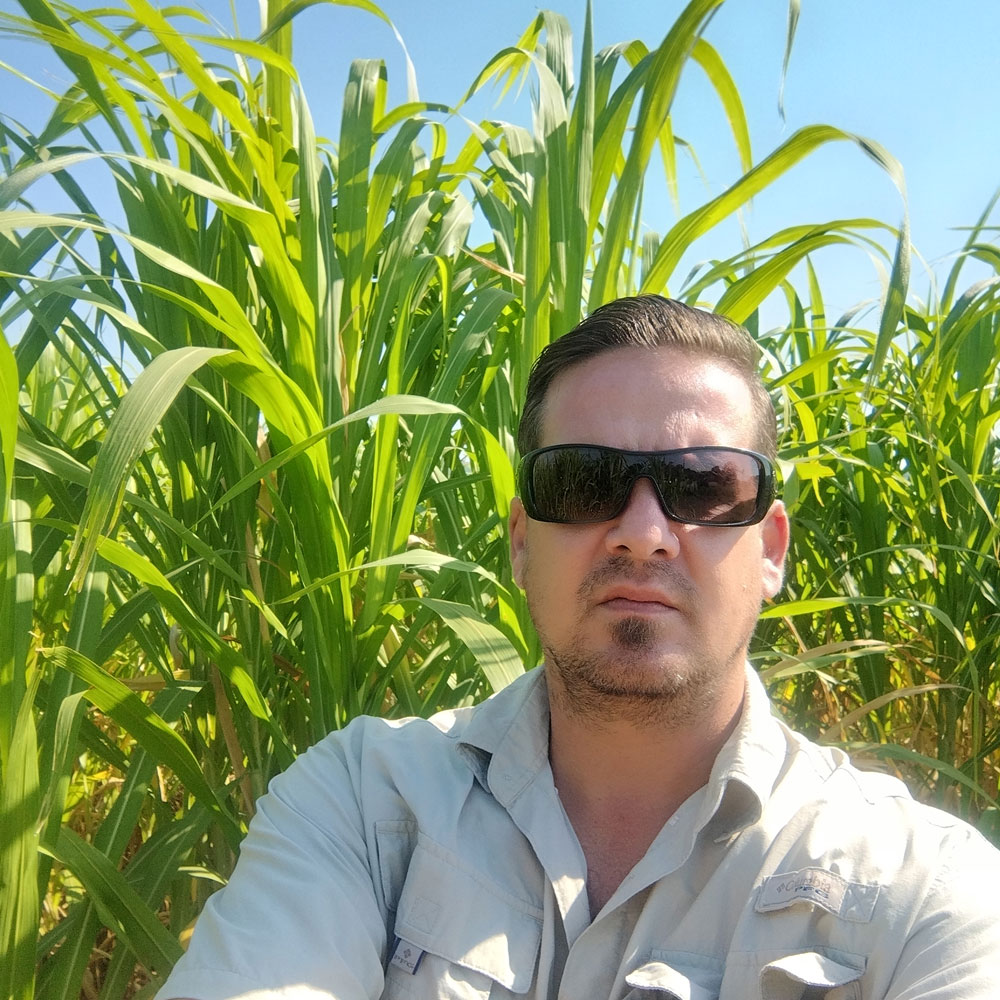
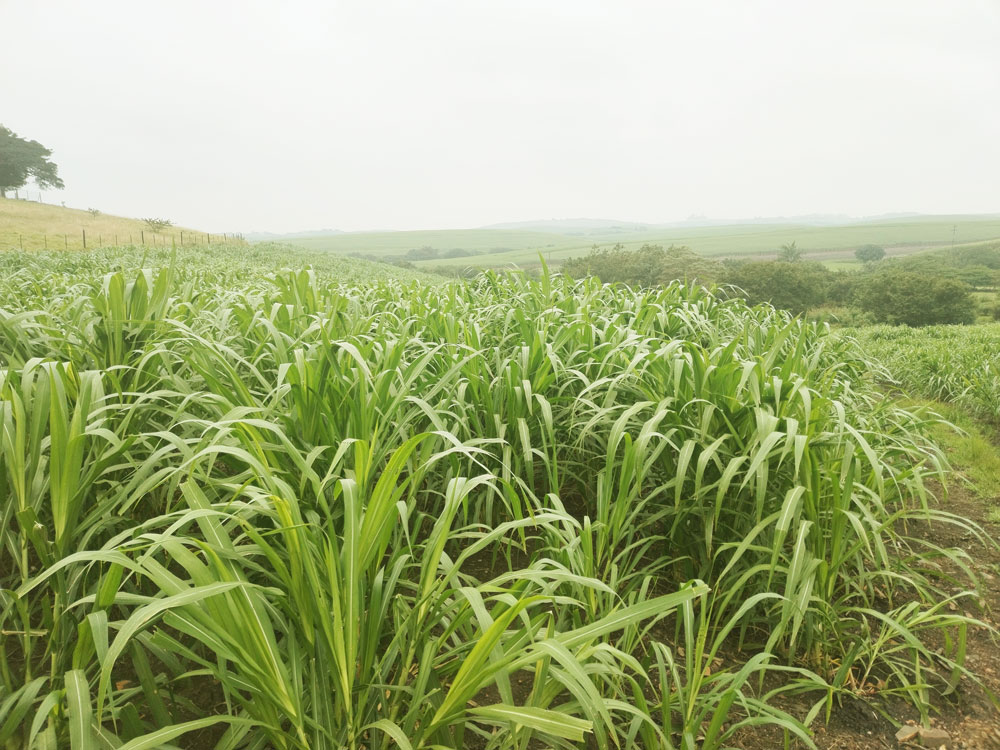
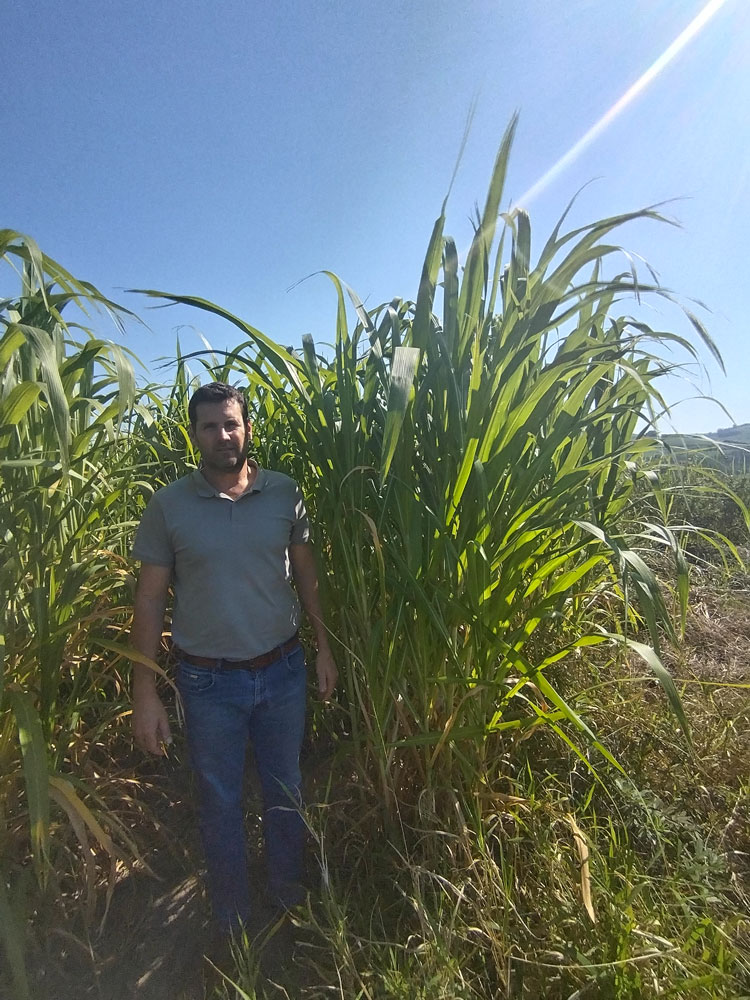
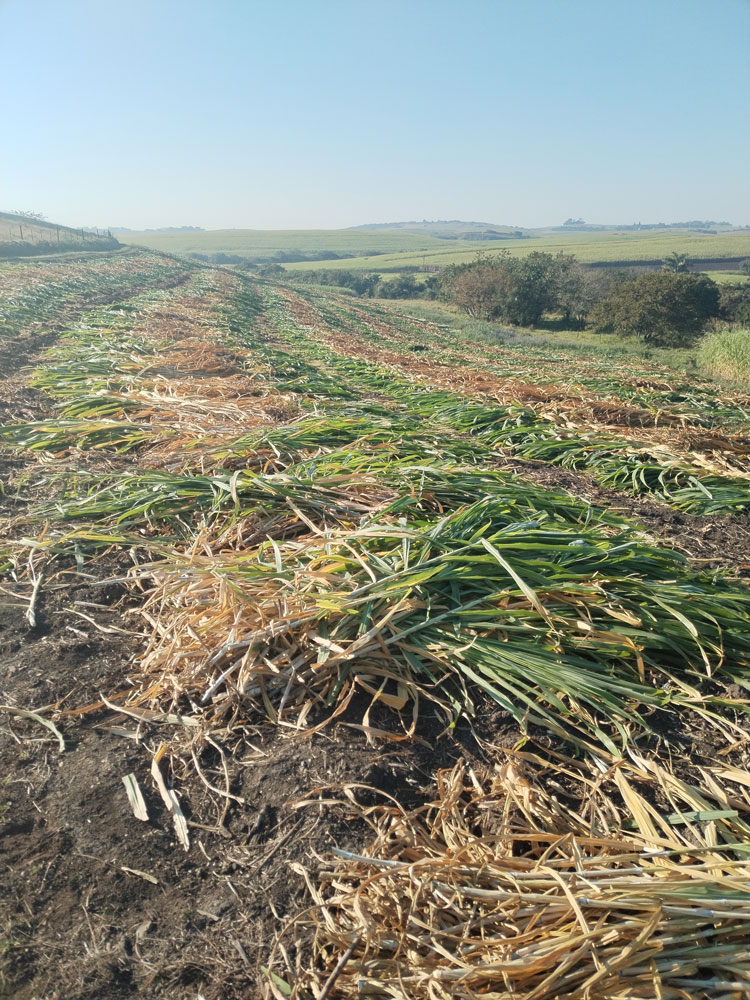
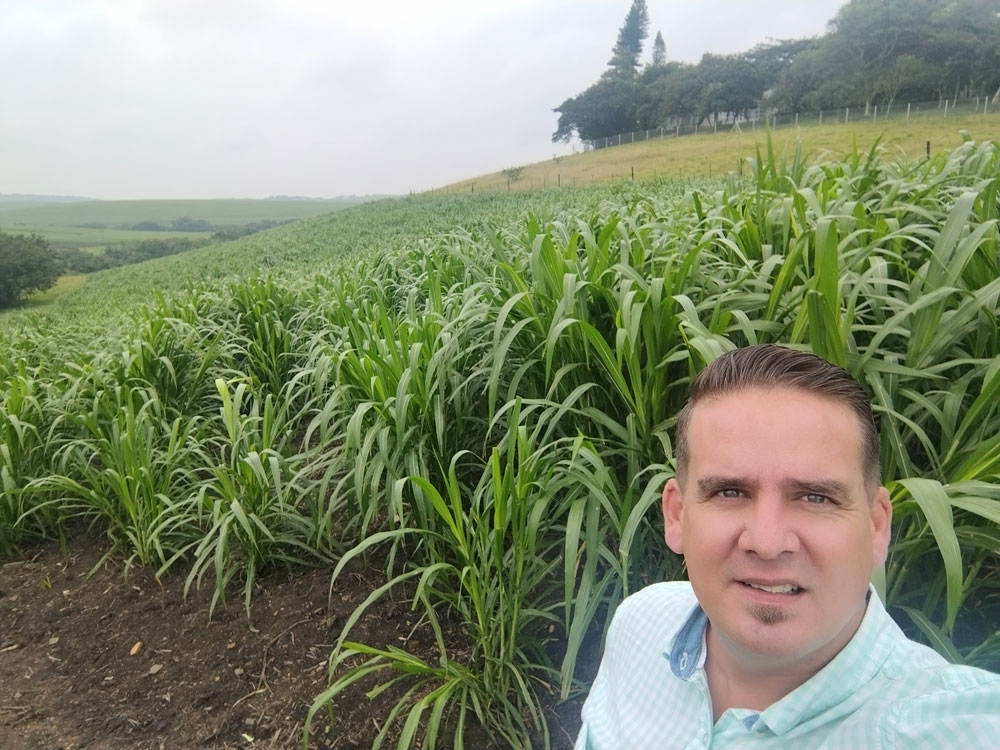
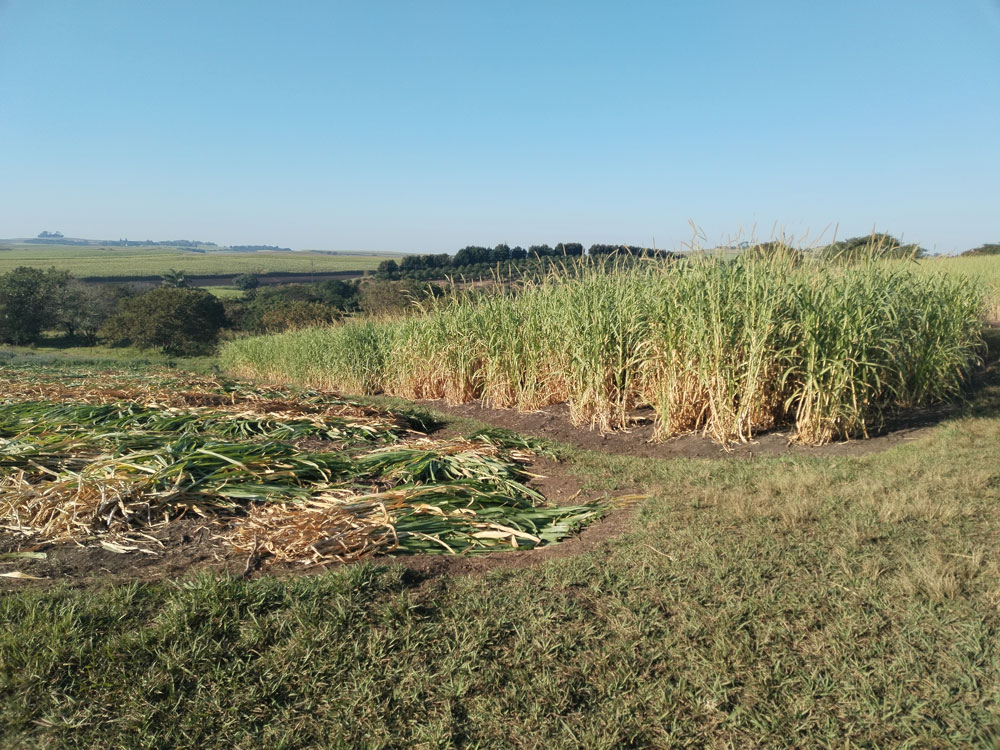
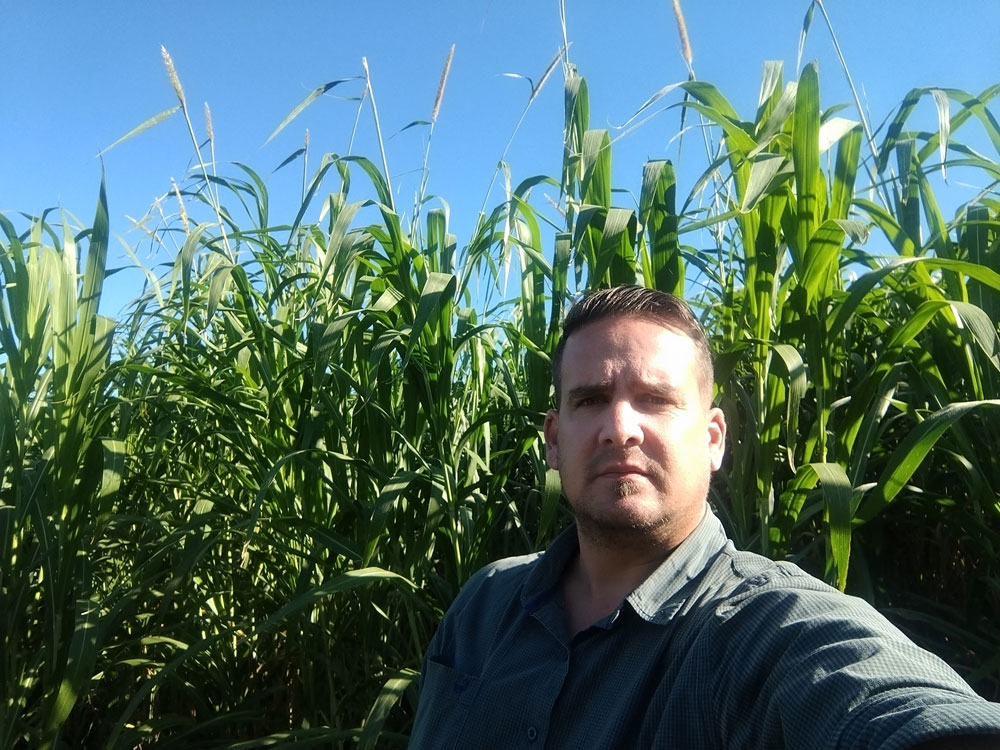
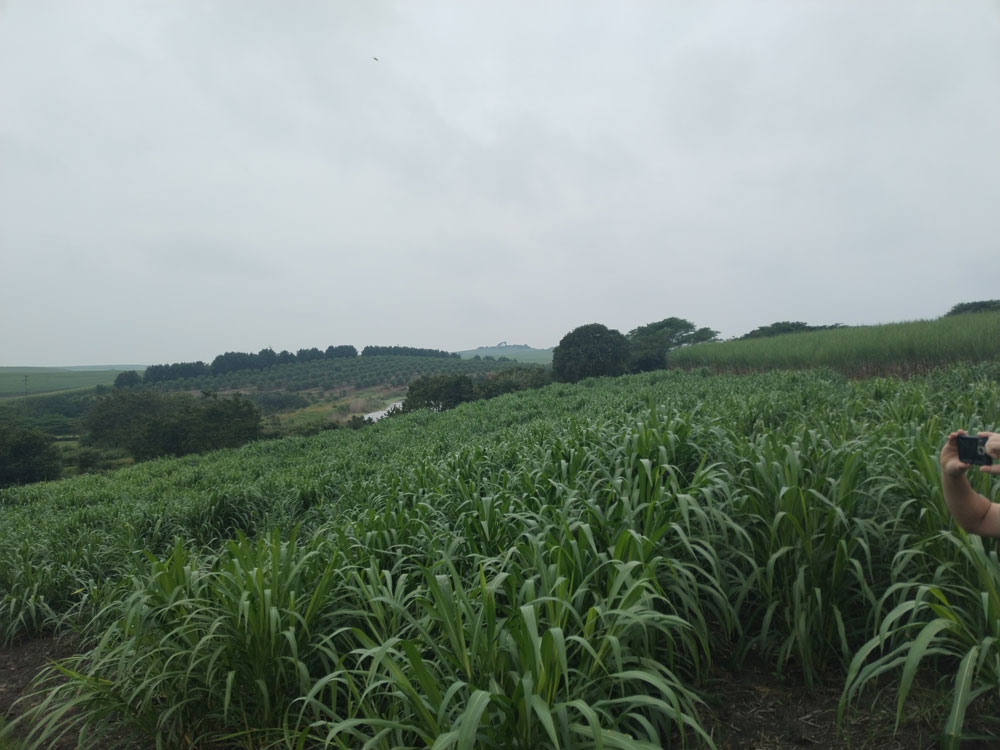
Our journey began in late 2022 when we identified the urgent need for renewable energy sources. After thorough research, we recognized the viability of energy cane as a sustainable solution. In February 2023, we took a significant step forward by planting energy cane near Shakaskraal in KZN. The favorable climate and soil conditions in the region allowed the crop to flourish, confirming the potential of this energy source.
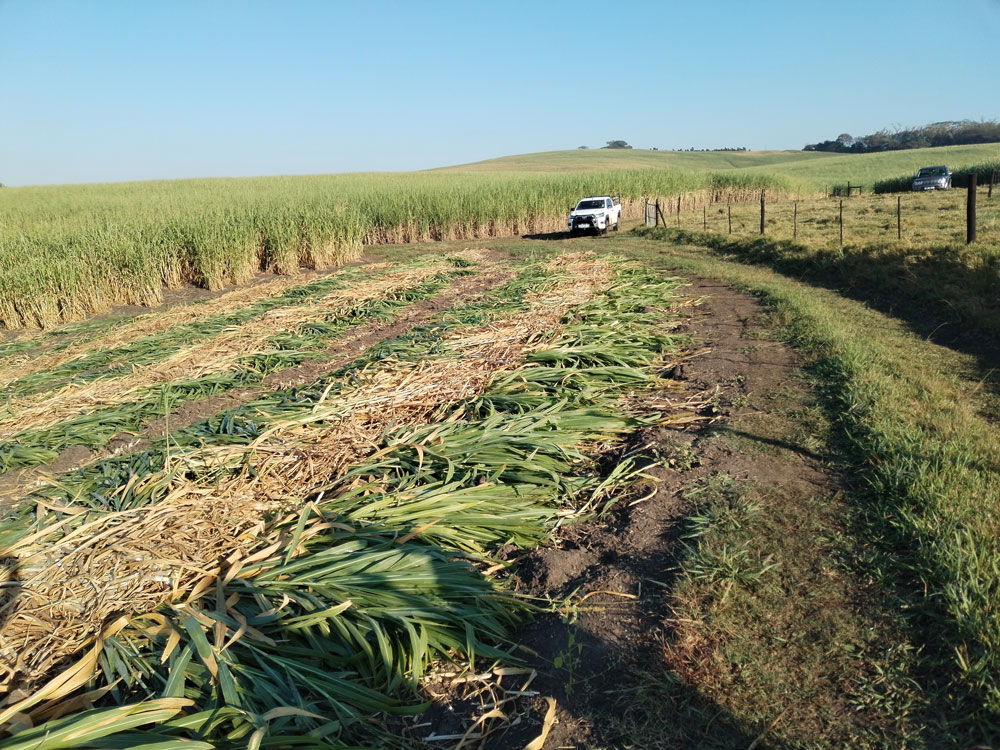
Building on this success, we expanded our operations to leased land in Darnall, where the energy cane continues to thrive. By mid-2025, we anticipate harvesting substantial yields of biomass material that can be utilized for both biomass energy production and animal feed. Our long-term vision includes expanding our plantations to cover 400 hectares by 2025, laying the groundwork for a thriving new industry in South Africa.



A Commitment to Growth and Sustainability
As we move forward, Viridian Resources remains dedicated to expanding our operations and contributing to the sustainable energy sector. Our goal is not only to provide a reliable, renewable energy source but also to drive economic growth and job creation in rural areas. We are excited about the future and the role we will play in creating a cleaner, more sustainable world.
The high biomass production and dense growth of our plant make it particularly effective at capturing carbon. This capability not only helps mitigate climate change but also enhances soil quality and promotes healthier ecosystems. Its role in carbon sequestration is increasingly recognized as valuable in sustainable agricultural practices and reforestation efforts
